How to Prepare a Strong Business Case for a Managed Print Services Contract
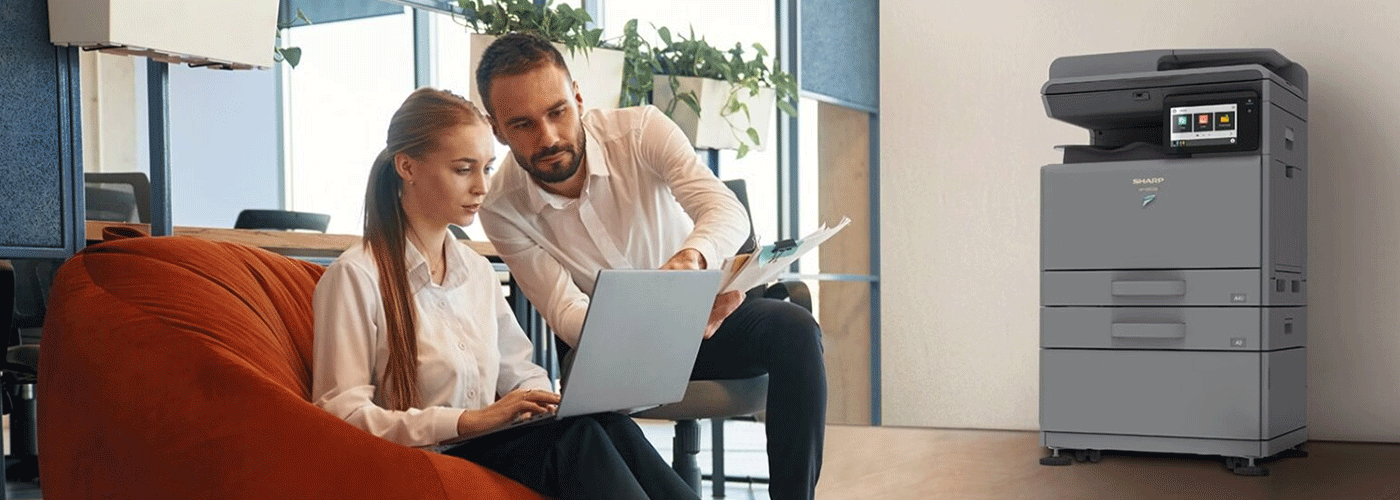
Build a stronger business case for Managed Print Services
A Managed Print Services (MPS) business case helps organisations understand the true cost of printing, identify operational risks and demonstrate how a managed print environment can improve efficiency, security and financial control.
For many organisations, printing costs are difficult to measure because they are spread across hardware purchases, toner, maintenance, IT support, administration and lost employee productivity.
A strong Managed Print Services business case moves the conversation beyond the cost of individual printers and focuses on the total business impact.
A complete MPS business case should evaluate:
- Current printing costs and inefficiencies
- Total Cost of Ownership (TCO)
- Security and compliance risks
- Employee productivity impacts
- Document workflow opportunities
- Sustainability improvements
- Expected return on investment (ROI)
Managed Print Services Business Case: Key Benefits at a Glance
| Business Objective | How Managed Print Services Helps |
| Reduce operating costs | Optimises devices, usage and service costs |
| Improve productivity | Reduces downtime and improves document workflows |
| Increase security | Provides secure printing, authentication and document controls |
| Simplify budgeting | Creates predictable monthly technology costs |
| Reduce IT workload | Provides proactive monitoring and managed support |
| Improve sustainability | Reduces waste, energy consumption and unnecessary printing |
What is a Managed Print Services Business Case?
A Managed Print Services business case is a structured document that evaluates the current print environment, identifies improvement opportunities and demonstrates the expected business value of moving to a managed print model.
Unlike a traditional printer replacement proposal, an MPS business case considers the complete lifecycle of printing.
This includes:
| Cost Area | Examples |
| Hardware | Printers, multifunction devices and replacement cycles |
| Consumables | Toner, drums and maintenance supplies |
| Service | Repairs, maintenance and support |
| Administration | Ordering supplies and managing suppliers |
| Productivity | Employee time lost to inefficient processes |
| Security | Risk from uncontrolled document handling |
| Sustainability | Energy use, paper consumption and waste |
The goal is to understand the true cost of printing and identify opportunities to improve efficiency.
Why Organisations Invest in Managed Print Services
Many businesses manage printers as standalone devices rather than as part of their wider technology environment.
This often creates challenges including:
- Too many devices across locations
- Ageing equipment
- Uncontrolled colour printing
- Unexpected repair costs
- Manual toner ordering
- Limited visibility of usage
- Increased document security risks
- Higher IT support demands
Managed Print Services creates a structured approach to managing the entire print lifecycle.
The Managed Print Services Business Case Framework
A successful MPS business case should evaluate five key areas.
1. Assess Your Current Print Environment
The first step is understanding the current state.
A print assessment reviews:
- Number of printers and multifunction devices
- Device age and condition
- Print volumes
- Colour versus mono usage
- Device locations
- User requirements
- Existing supplier agreements
- Maintenance history
- Security settings
- Workflow requirements
This provides the baseline required to identify savings and improvement opportunities.
2. Calculate Total Cost of Ownership (TCO)
The cost of printing extends well beyond buying a printer.
A Total Cost of Ownership assessment considers all costs associated with managing documents.
| TCO Category | What Should Be Measured |
| Hardware | Purchase, leasing or replacement costs |
| Consumables | Toner and supply usage |
| Maintenance | Repairs and servicing |
| Labour | IT and administration time |
| Downtime | Productivity impact from failures |
| Energy | Device power consumption |
| Waste | Unnecessary printing and abandoned documents |
A Managed Print Services strategy improves TCO by optimising the entire environment rather than focusing only on equipment price.
How Sharp NZ Improves Print Total Cost of Ownership
Sharp NZ uses a structured optimisation methodology focused on four key improvement areas.
| ROI Lever | Sharp NZ Approach | Business Outcome |
| Cost benchmarking | Analyse print volumes, device usage and current costs | Identifies hidden spend and inefficiencies |
| Fleet optimisation | Match devices to actual business requirements | Reduces unnecessary equipment and improves utilisation |
| Workflow improvement | Identify opportunities to digitise document processes | Improves productivity |
| Lifecycle management | Proactive servicing and planned technology refresh | Reduces disruption and unexpected costs |
3. Improve Document Security and Compliance
Printers and multifunction devices are connected business systems that handle sensitive information.
A secure print strategy should consider:
- User authentication
- Secure print release
- Device encryption
- Firmware protection
- Access controls
- Network security
- Audit reporting
- Secure scanning workflows
For New Zealand organisations, protecting documents and personal information supports obligations under the Privacy Act 2020, including preventing unauthorised access, loss or disclosure of personal information.
Managed Print Services helps organisations introduce stronger controls and greater visibility across document processes.
4. Improve Productivity Through Smarter Workflows
Modern Managed Print Services is not only about reducing printing costs.
It also helps organisations improve how information moves through the business.
Potential improvements include:
- Faster document capture
- Automated scanning workflows
- Cloud document integration
- Reduced manual processing
- Improved collaboration
- Less time spent managing printer issues
By connecting print technology with digital workflows, organisations can improve efficiency across departments.
5. Create Predictable Technology Costs
Unmanaged printing often creates unpredictable expenses.
Common challenges include:
- Emergency repairs
- Unexpected toner purchases
- Multiple supplier invoices
- Unplanned equipment replacement
Managed Print Services provides greater financial control through:
- Predictable monthly costs
- Consolidated billing
- Managed consumables
- Planned refresh cycles
- Reduced administration
This allows finance teams to forecast technology expenditure with greater confidence.
What Should Be Included in a Managed Print Services Agreement?
A comprehensive Managed Print Services agreement should include more than supplying equipment.
| Service Component | What It Provides |
| Print assessment | Understanding of current environment and requirements |
| Device optimisation | Selecting the right technology for each location |
| Installation | Delivery, setup and configuration |
| User onboarding | Training and adoption support |
| Remote monitoring | Visibility into device performance |
| Consumables management | Automated toner replenishment |
| Maintenance | Preventative servicing and repairs |
| Support | Assistance when issues occur |
| Reporting | Usage and performance insights |
| Optimisation reviews | Continuous improvement recommendations |
Managed Print Services Implementation Process
A successful MPS implementation typically follows six stages.
Stage 1: Discover
Review the current print environment, costs and business requirements.
Stage 2: Assess
Identify inefficiencies, risks and opportunities.
Stage 3: Design
Develop a recommended print environment aligned with business needs.
Stage 4: Implement
Install devices, configure workflows and support user adoption.
Stage 5: Optimise
Review usage patterns and identify further improvements.
Stage 6: Improve
Continue monitoring performance and adapting as business requirements change.
Managed Print Services ROI: Measuring Success
A successful business case should measure outcomes across financial, operational and risk categories.
| Measurement Area | Example Outcomes |
| Cost control | Reduced print-related operating expenses |
| Productivity | Less downtime and faster document processes |
| Security | Better protection of confidential information |
| IT efficiency | Fewer printer-related support requests |
| Sustainability | Reduced waste and energy consumption |
| User experience | Easier access to printing and scanning |
Actual results depend on the organisation’s current environment, usage patterns and business requirements.
Download the Managed Print Services Business Case Template
Create a clear, evidence-based proposal for your organisation
Building a successful Managed Print Services business case requires more than comparing printer prices.
Decision-makers need to understand:
- What printing currently costs
- Where inefficiencies exist
- What risks need to be addressed
- What improvements can be achieved
- How the investment supports business goals
The Sharp NZ Managed Print Services Business Case Template provides a structured framework to help IT teams, finance managers and procurement professionals create a clear recommendation.
Who Should Use This Template?
The Managed Print Services Business Case Template is designed for:
- IT Managers evaluating print infrastructure
- Finance teams assessing technology investments
- Procurement teams comparing suppliers
- Business leaders reviewing operational improvements
- Operations teams improving workplace efficiency
Download Your Managed Print Services Business Case Template
Create a stronger internal proposal based on measurable business outcomes, not just equipment costs.
[Download the Managed Print Services Business Case Template]
Frequently Asked Questions
Why Choose Sharp New Zealand for Managed Print Services?
Sharp NZ helps organisations move beyond printer replacement by creating smarter, more secure and more efficient document environments.
Our approach combines:
- Print assessment and optimisation
- Managed hardware solutions
- Secure document workflows
- Ongoing monitoring and support
- Local New Zealand service capability
- Integration with broader business technology solutions
Sharp provides a single accountable technology partner for the systems your organisation depends on.
Build Your Managed Print Services Business Case
Understanding your current print environment is the first step towards reducing costs, improving security and creating a more efficient workplace.
Sharp NZ can help assess your current environment, identify opportunities and develop a Managed Print Services strategy aligned with your business objectives.
Request a Managed Print Assessment
Discover opportunities to:
✓ Reduce print costs
✓ Improve document security
✓ Simplify management
✓ Support digital workflows
✓ Create predictable technology costs
Talk to Sharp NZ today about building your Managed Print Services business case.

Shaun Taylor is the National Sales Manager at Sharp New Zealand, with over 20 years’ experience in business technology, print solutions, and managed services. He specialises in helping organisations improve productivity, strengthen print security, and modernise workplace workflows through practical, scalable technology solutions.