Modern Transport Engineers Increases Production by at Least 30% with Digital Shop Floor Technology
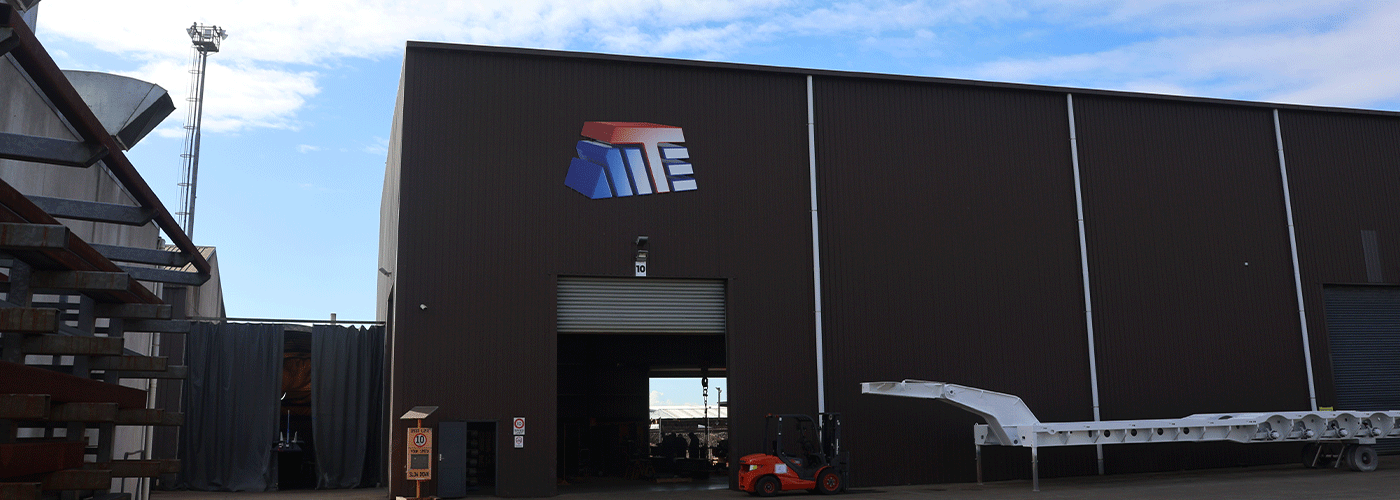
Sharp Digital Displays Transform the Shop Floor at Modern Transport Engineers
Industry: Manufacturing | Heavy Transport Engineering
Customer: Modern Transport Engineers (MTE)
Location: Hamilton, Waikato, New Zealand
Solutions:
- Sharp PN-ME Series Commercial Displays
- Custom Manufacturing Dashboard
- Workforce Kiosk Solution
- BridgePoint Software Integration
At a Glance: MTE Digital Shop Floor Transformation
Modern Transport Engineers (MTE), a leading heavy transport manufacturer in Australasia, partnered with Sharp NZ and BridgePoint to modernise its workshop timekeeping and production management systems.
Working with Sharp New Zealand, MTE introduced a digital shop-floor solution using Sharp PN-ME commercial displays to bring important production, operational and workforce information directly into the workplace.
The result was significantly greater visibility across MTE's manufacturing operations. According to MTE IT Manager Shaun Clarkin, the improved visibility has contributed to at least a 30% increase in production, while giving workshop managers greater control over workloads, projects and staff.
About Modern Transport Engineers
Modern Transport Engineers (MTE) is the largest heavy transport trailer manufacturer in Australasia, designing and manufacturing custom-engineered transport solutions for heavy transport operators throughout New Zealand and overseas.
With multiple manufacturing workshops operating across the North Island, MTE manages complex production workflows involving hundreds of jobs, skilled engineering teams, and strict project timelines. As production grew, the business recognised it needed better operational visibility to support informed decision-making and improve manufacturing efficiency.
The Challenge: Limited Visibility Across MTE's Manufacturing Workshops
Like many manufacturing organisations, MTE relied on legacy systems that were no longer capable of supporting a modern production environment.
Its ageing accounting, payroll and workshop time-clocking systems were approaching end of life, creating an opportunity to rethink how production data was collected and used.
The existing system only recorded employee attendance. While it captured clock-in and clock-out times, it provided little visibility into what employees were working on, how projects were progressing, or whether production was tracking to schedule.
As Shaun Clarkin, IT Manager at Modern Transport Engineers, explains:
"Historically we had to wait until the end of the builds to see how many hours we'd spent on a project. At that stage we weren't able to address issues during production."
Without live operational data, managers had limited ability to identify production bottlenecks, monitor workloads or intervene before delays affected project delivery.
MTE wanted more than a replacement time clock—they wanted a connected digital shop floor that would improve visibility, accountability and production management across every workshop.
How MTE Discovered the Right Technology Partner
The project began unexpectedly during a routine discussion with Sharp NZ Account Manager David Stokes.
Having supplied MTE's printing environment for several years, Sharp NZ already understood the business and its operational requirements.
During a conversation about printer technology, MTE explained the challenges surrounding its ageing payroll and workshop management systems. Rather than recommending a standalone product, Sharp NZ introduced MTE to Hamilton-based software developer BridgePoint.
Together, Sharp NZ and BridgePoint designed a solution tailored specifically to MTE's manufacturing environment.
The Solution: A Connected Digital Shop Floor for Manufacturing
Sharp NZ and BridgePoint worked collaboratively to create a fully integrated digital shop floor management solution.
BridgePoint developed a custom workshop management platform while Sharp NZ supplied commercial-grade digital display technology capable of operating continuously within demanding industrial conditions.
The solution included:
- Interactive kiosk-based workforce login system
- Simple employee clock-in using touchscreen kiosks
- Live job allocation and production status updates
- Sharp commercial displays installed throughout manufacturing workshops
- Real-time visual dashboards showing production progress
- Integration with payroll and accounting systems
- Workshop-wide visibility of active jobs and employee allocation
Instead of simply recording attendance, employees now select the project they are working on, update production stages throughout the day and provide live operational data to management.
This information is displayed instantly across workshop displays, giving supervisors and production teams immediate visibility into manufacturing progress.
MTE's Digital Shop Floor: Before and After
| Manufacturing Workflow | Previous Environment | Digital Shop Floor |
| Employee timekeeping | Basic clock-in and clock-out | Digital kiosk-based workforce login |
| Job visibility | Limited visibility of current work | Live job allocation |
| Production tracking | Primarily retrospective | Real-time production status |
| Workshop communication | Limited shared visibility | Digital production dashboards |
| Management control | Limited operational insight | Greater visibility of staff and workloads |
| Production information | End-of-build reporting | Live operational data |
| Technology | Ageing legacy system | Connected digital solution |
Sharp Commercial Displays for a Demanding Manufacturing Environment
One of the key considerations was ensuring the hardware could withstand MTE's challenging workshop conditions.
Manufacturing environments expose technology to engineering dust, welding activity, temperature fluctuations and continuous operation.
According to Shaun Clarkin:
"We use the screens 24 hours a day, 365 days a year... they're out in all sorts of elements and we've had no issues with visibility."
The Sharp PN-ME commercial displays continue operating reliably despite workshop temperatures ranging from below freezing during winter mornings to more than 40°C during summer.
The displays also maintain excellent visibility in bright workshop lighting, ensuring production information remains accessible throughout the day.
How Sharp NZ and BridgePoint Developed the Solution
Rather than implementing an off-the-shelf solution, Sharp NZ and BridgePoint worked closely with MTE to refine the system over a 12-month pilot programme.
A single workshop was used as a live testing environment where workflows, dashboards and employee interactions could be continuously improved before wider deployment.
Shaun Clarkin describes the project as a genuine partnership:
"Working with BridgePoint and Sharp has been an excellent process. It's been quite a collaborative effort... we've all been able to come to the table with different ideas and do a lot of testing to work out what actually works for us."
This collaborative approach ensured the final solution aligned with MTE's production processes rather than forcing staff to adapt to generic software.
The Outcome: MTE Reports at Least 30% Increased Production
The impact of the solution has been significant.
By providing live production visibility instead of end-of-project reporting, MTE's management team can now identify delays earlier, redistribute workloads and make informed operational decisions throughout the manufacturing process.
Key outcomes include:
- At least 30% increase in production
- Real-time visibility of manufacturing progress
- Improved accountability across workshop teams
- Better management of production workloads
- Earlier identification of workflow bottlenecks
- Greater operational control for supervisors
- Modern replacement for legacy payroll and timekeeping systems
- Ongoing development as production requirements evolve
Shaun Clarkin says the improvement has been measurable:
"Having that visibility has increased our production by at least 30%."
He also notes that managers now have far greater oversight of operations:
"It's given managers a lot more control over their staff. Having that visibility they didn't have before has opened up more opportunities for them to manage projects and workloads."
Why MTE Chose Sharp NZ for Its Digital Transformation
Having already worked with Sharp NZ for managed print solutions, MTE trusted the team to understand its operational challenges.
What distinguished Sharp NZ was its ability to look beyond individual products and bring together the right technology partners to solve a broader business problem.
By combining Sharp's commercial display technology with BridgePoint's software development expertise, MTE received a purpose-built manufacturing solution rather than a standard workforce management system.
Reflecting on the project, Shaun Clarkin says:
"The team at Sharp and BridgePoint have been absolutely amazing. The amount of work they put into getting the production solution working was incredible. We had a tight timeframe before our old payroll system reached end of life, and they delivered a working solution before that happened."
What MTE's Digital Shop Floor Transformation Demonstrates
MTE's experience demonstrates how manufacturers can use digital technology to move from retrospective production reporting to real-time operational visibility.
By connecting workforce activity, job information, production stages and visual communication, MTE created a more connected manufacturing environment.
The most significant reported result is a 30%+ increase in production, alongside greater management visibility and control.
The project also demonstrates how a manufacturing technology partner can work with a software development specialist to create a solution around the customer's actual production processes.
Customer Recommendation
Today, the solution continues to evolve as MTE expands its digital manufacturing capabilities.
Shaun Clarkin has no hesitation recommending Sharp NZ to other manufacturers looking to improve operational efficiency.
"I'd recommend Sharp to other manufacturing companies. The products and solutions they've come up with have been great, and we've seen a real tangible improvement in our business."
Frequently Asked Questions
How did Modern Transport Engineers digitise its shop floor?
MTE partnered with Sharp NZ and BridgePoint to replace its ageing workshop timekeeping technology with a connected digital shop floor solution using workforce kiosks, custom software and Sharp commercial displays.
What problem was MTE trying to solve?
MTE needed to replace ageing payroll and timekeeping technology while gaining real-time visibility of jobs, production stages, workloads and project progress across its manufacturing workshops.
What was the result of MTE's digital transformation?
MTE reports that improved production visibility has contributed to at least a 30% increase in production, while also giving managers greater control over staff, workloads and projects.
What technology does MTE use?
The solution combines Sharp commercial displays, digital shop floor dashboards, workforce kiosks, custom manufacturing software and BridgePoint software integration.
How long did MTE test the solution?
MTE worked with Sharp NZ and BridgePoint through approximately 12 months of testing and development before continuing the deployment and development of the solution.
About Sharp NZ
Sharp NZ helps organisations modernise their workplaces through integrated business technology solutions, including commercial displays, interactive collaboration technology, managed print services, workflow automation, communications, and digital transformation solutions.
By combining industry-leading hardware with trusted software partners, Sharp NZ delivers practical solutions that improve productivity, visibility and business performance across manufacturing, education, healthcare, government and commercial organisations.

Kimberley Holden is Brand & Communications Manager at Sharp New Zealand, where she leads strategic marketing, brand development, and customer communications across Sharp’s portfolio of consumer products and workplace technology solutions, including print, visual solutions, visitor management, voice and data, and software. She brings a strong focus on clear messaging, customer engagement, and delivering consistent brand experiences across complex technology environments.