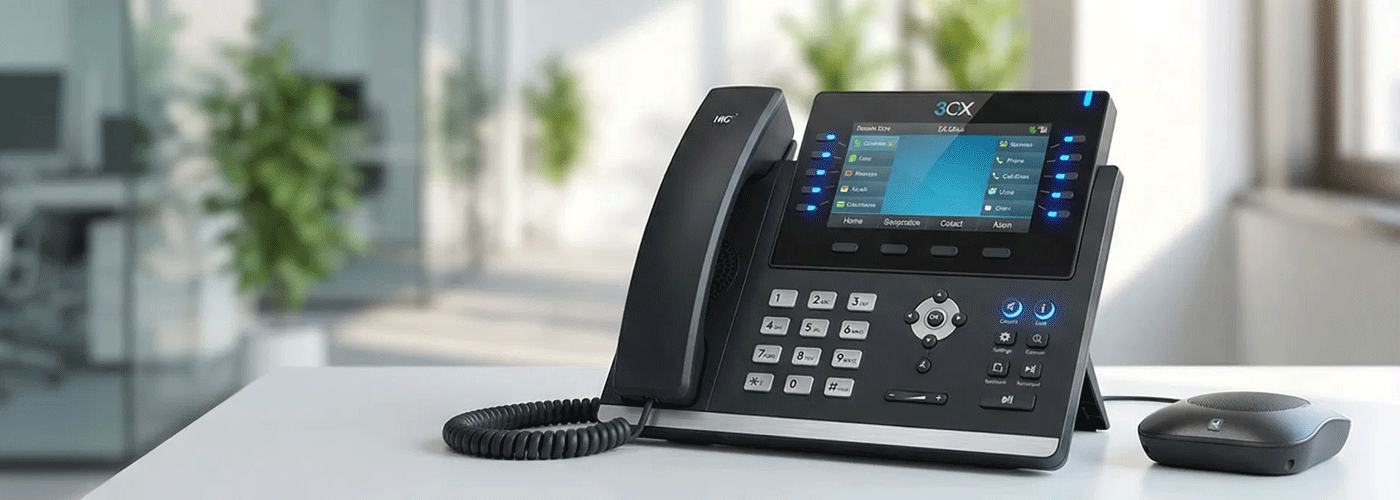
Choosing a new business phone system is an important technology decision for New Zealand organisations.
While traditional phone systems often required significant upfront investment in hardware and infrastructure, modern business phone systems such as VoIP (Voice over Internet Protocol) provide more flexible, scalable and cost-effective options.
The cost of a business phone system in New Zealand depends on several factors, including the number of users, required features, integration needs, support requirements and whether the organisation chooses a cloud-based or on-premise solution.
For many businesses, a modern VoIP phone system can start from approximately $100 per month, with pricing scaling based on the size and complexity of the organisation.
What Does a Business Phone System Cost in New Zealand?
A typical business phone system investment can include:
- User licences and calling plans
- VoIP phone hardware or softphone applications
- System configuration and implementation
- Network assessment and optimisation
- Integration with business applications
- Ongoing support and maintenance
Small businesses may require a simple cloud phone solution with basic calling features, while larger organisations may need advanced unified communications capabilities, CRM integration, Microsoft 365 connectivity and enterprise security controls.
Average Business Phone System Costs
While every organisation has different requirements, business phone systems in New Zealand generally fall into three common categories.
| Business Size |
Typical Requirements
|
Estimated Investment
|
|
Small business (1–20 users)
|
Cloud calling, mobile apps, basic phone features |
From approximately $295 per month for up to 16 users |
|
Medium business (20–250 users)
|
Advanced calling, integrations, reporting and administration tools
|
Scales based on users and features
|
|
Enterprise (250+ users)
|
Unified communications, security, integrations and managed support
|
Custom-designed solutions
|
The right solution is not always the cheapest option. Businesses should consider the total cost of ownership, including reliability, support, security and future scalability.
What Factors Affect Business Phone System Pricing?
1. Number of Users
The number of employees requiring phone access is one of the biggest factors affecting cost.
A small team may only need a handful of users, while larger organisations may require hundreds or thousands of extensions across multiple locations.
Modern VoIP systems make scaling easier because users can be added or removed without replacing physical infrastructure.
2. Cloud VoIP vs Traditional Phone Systems
Traditional phone systems often involve higher upfront costs due to:
- Dedicated hardware
- Installation requirements
- On-site maintenance
- Limited flexibility
Cloud-based VoIP systems reduce many of these barriers by hosting communication services through the internet.
Benefits include:
- Lower upfront investment
- Easier remote working support
- Faster deployment
- Improved scalability
- Access to modern collaboration features
3. Features and Integrations
The features required will influence the overall investment.
Common business phone system features include:
- Call routing and auto attendants
- Call recording
- Mobile applications
- Video conferencing
- Instant messaging
- Presence and availability indicators
- CRM integration
- Microsoft 365 integration
Organisations that rely heavily on customer communication may benefit from advanced features that improve productivity and customer experience.
4. Security Requirements
Business communications contain sensitive information, making security an important consideration.
A secure business phone system should include:
- Secure SIP configuration
- Encrypted voice traffic
- Strong authentication controls
- User access management
- Network security monitoring
Security should be considered part of the investment rather than an optional extra.
5. Implementation and Support
A successful phone system deployment requires more than installing handsets.
Professional implementation may include:
- Business requirements assessment
- Network readiness checks
- User configuration
- Number porting
- Testing and training
- Ongoing technical support
Working with a local technology partner helps reduce disruption and ensures the system is configured correctly from day one.
Why Businesses Are Moving to VoIP Phone Systems
Many New Zealand organisations are replacing traditional phone systems with VoIP because they need communication tools that support modern working environments.
Key benefits include:
Reduced Communication Costs
VoIP can help businesses reduce phone system expenses by using internet connectivity and eliminating the need for expensive legacy infrastructure.
Support for Hybrid Work
Employees can stay connected through desktop applications and mobile devices, allowing teams to communicate from the office, home or while travelling.
Better Collaboration
Modern unified communications platforms combine voice, video meetings, messaging and collaboration tools into one environment.
Easier Management
Cloud-based systems simplify user management, upgrades and system administration.
How Much Does a 3CX Business Phone System Cost?
3CX is a popular unified communications platform used by businesses globally and provides features including:
- Business calling
- Video conferencing
- Mobile applications
- CRM integration
- Microsoft 365 connectivity
- Team collaboration tools
The cost of a 3CX phone system depends on:
- Number of users
- Required licences
- Hosting requirements
- Hardware requirements
- Implementation and support services
For organisations looking for a flexible communication platform, 3CX provides an alternative to traditional phone systems with the ability to scale as business needs change.
Sharp NZ Business Phone Systems
Sharp NZ provides business VoIP and unified communications solutions designed to help New Zealand organisations modernise their communication infrastructure.
Sharp delivers:
- 3CX business phone systems
- VoIP calling solutions
- Microsoft 365 integration
- Managed connectivity services
- Secure communication solutions
- Nationwide support
By combining communication technology with IT expertise, Sharp helps businesses create a connected workplace that is secure, scalable and easier to manage.
Business Phone System Cost FAQs
Ready to Upgrade Your Business Phone System?
A modern business phone system can help your organisation improve communication, support flexible working and reduce technology complexity.
Talk to Sharp NZ about a secure, scalable VoIP solution designed for New Zealand businesses.